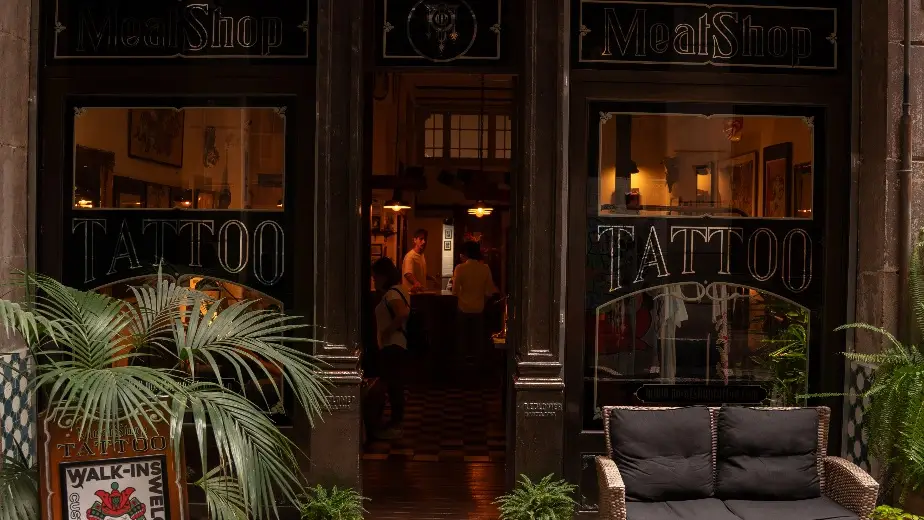
Tattoos :
Art and Expression : Tattoos are a powerful form of self-expression and personal storytelling, often reflecting deep meanings, beliefs or experiences.
Cultural Significance : In many cultures, tattoos have traditional and ritualistic meanings, symbolizing rites of passage, identity or status.
Fashion Influence : Tattoos can also be a fashion statement, with designs reflecting trends or personal styles.
Fashion :
Self-expression : Like tattoos, fashion allows people to express their personality, beliefs and tastes through clothing, accessories and style choices.
Cultural Influence : Fashion is deeply intertwined with culture, reflecting and shaping social norms, values and history.
Trends and Industry : The fashion industry is a major global force, influencing how people present themselves and even affecting overall social and economic trends.
Culture:
Broad Context: Culture is the general framework that encompasses the beliefs, practices, arts and social institutions of a group or society. It shapes how people live, communicate and perceive the world. Culture is expressed through language, traditions, religion, art and social norms, influencing almost every aspect of daily life. It is the lens through which individuals and communities view their existence, shaping their values, behaviors and interactions.
Identity and Community : Culture is central to the formation of individual and collective identities. It gives people a sense of who they are and where they belong. Cultural practices, such as festivals, rituals and social customs, provide a shared experience that unites members of a community. For example, traditional dress, symbols and even tattoos can signify membership in a particular cultural group. These cultural markers help people connect with their heritage, reinforcing their identity within a broader community.
Influence on Tattoos and Fashion : Culture profoundly influences both tattoos and fashion, as these forms of self-expression often reflect cultural values and aesthetics. Tattoos, for example, can have cultural significance, such as Polynesian tribal tattoos that denote status, lineage or achievement within the community. Fashion also reflects cultural trends and values. What people wear often reflects their cultural background, social status or current social trends. Traditional clothing, urban fashion or high fashion convey cultural narratives and may challenge or reinforce cultural norms.
Evolution and Adaptation : Culture is not static; it evolves as societies change and interact with each other. Globalization, technology and migration have accelerated cultural exchange, leading to the mixing and adaptation of cultural practices. This evolution is evident in both fashion and tattoos. For example, traditional tattoo designs can be adapted to contemporary styles, combining cultural heritage with modern aesthetics. Similarly, fashion trends often borrow from diverse cultures, creating a fusion of styles that reflects the globalized world. This dynamic process ensures that culture remains a living entity, influencing and being influenced by the ways in which people choose to express themselves.